 Shop Vielight tech

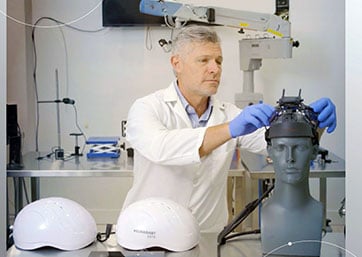
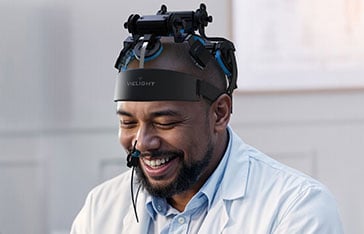


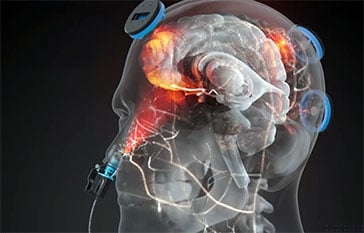








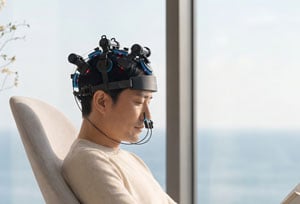


Brain Network Imaging
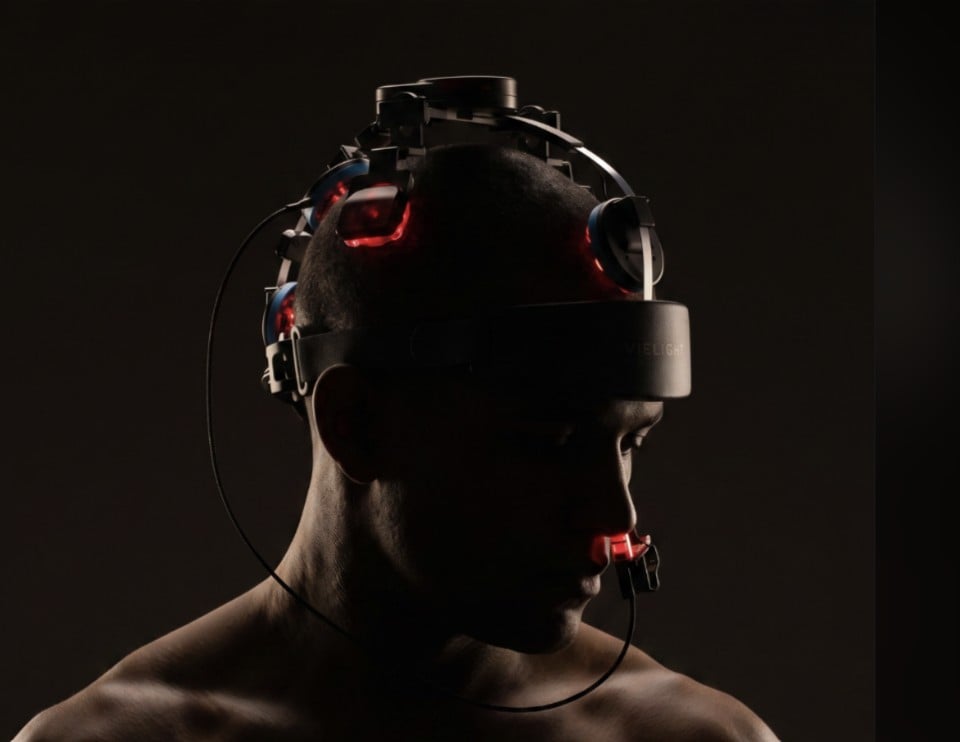
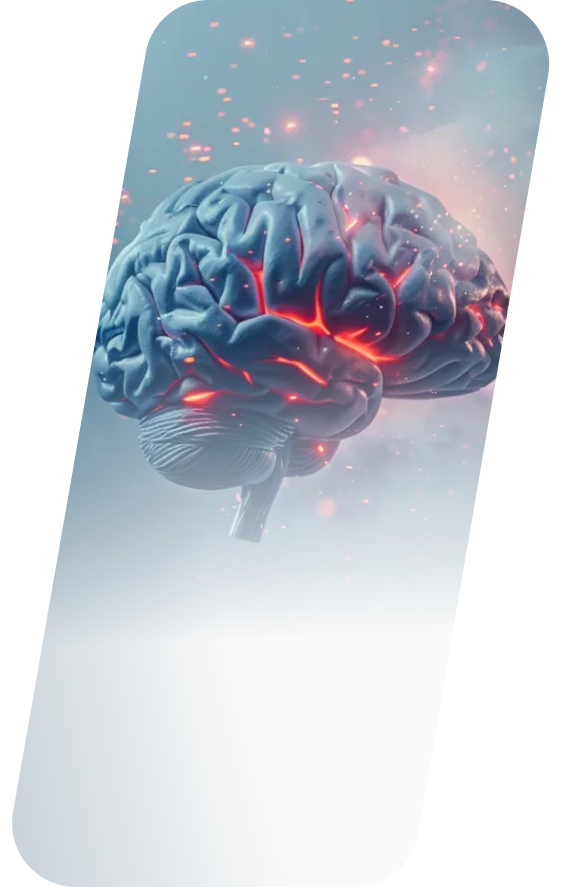
Research using fMRI examined large-scale brain-network connectivity and efficiency following the investigated PBM protocol.


800+
Published research participants
30+
Published clinical studies
20+
Leading research institutions


30+
published clinical studies

800+
clinical research participants
20+
leading research institutions
10+ years of partnerships with leading institutions. Powering the most published photobiomodulation research.


The Vielight Focus
Advancing the most rigorous published brain PBM research, including neuroimaging and randomized controlled trials with 40+ participants on average.


Research News
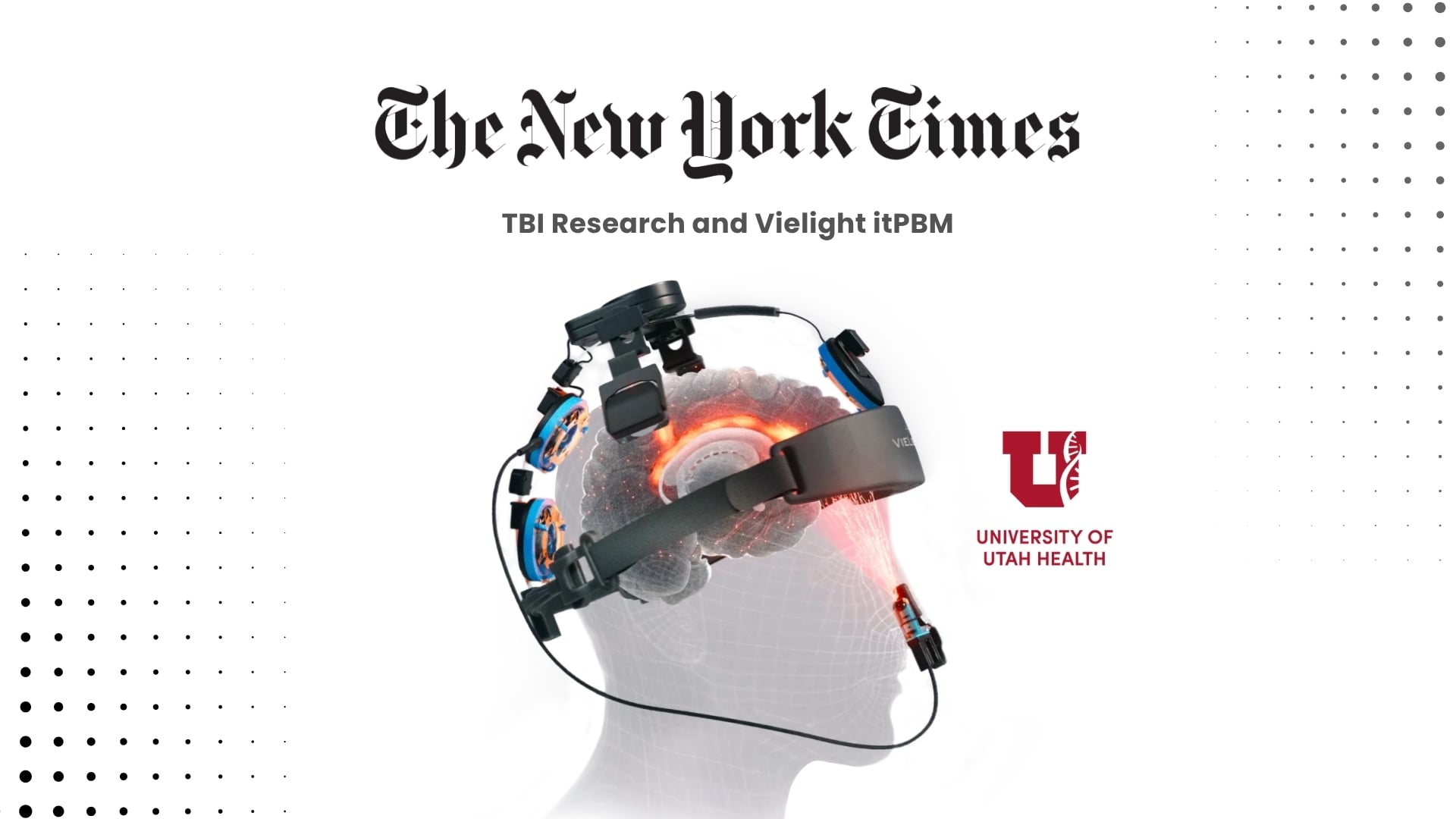
The University of Utah and Vielight win a $4.6M US DoD grant to build on neuroimaging research with a 300-participant clinical trial.
Research using fMRI examined large-scale brain-network connectivity and efficiency following the investigated PBM protocol.
A clinical study evaluated cognitive and behavioral scales alongside cerebral perfusion and functional-connectivity measurements.
An exploratory investigation documented walking-speed and cognitive measurements during a multimodal PBM program.
Researchers assessed reaction time, balance and related neuromuscular outcomes in a repetitive head-acceleration research cohort.
A controlled healthy-participant study examined originality and fluency on specified verbal and visual creative-thinking assessments.
EEG research compared oscillatory activity and network-efficiency measures under active and sham near-infrared PBM conditions.
A controlled investigation evaluated performance on a feature-matching visual-attention task with significant gains.
A season-long Division 1 football study examined diffusion-MRI measurements associated with contact sports.

Sorry, there are no results for your search.
 Completed
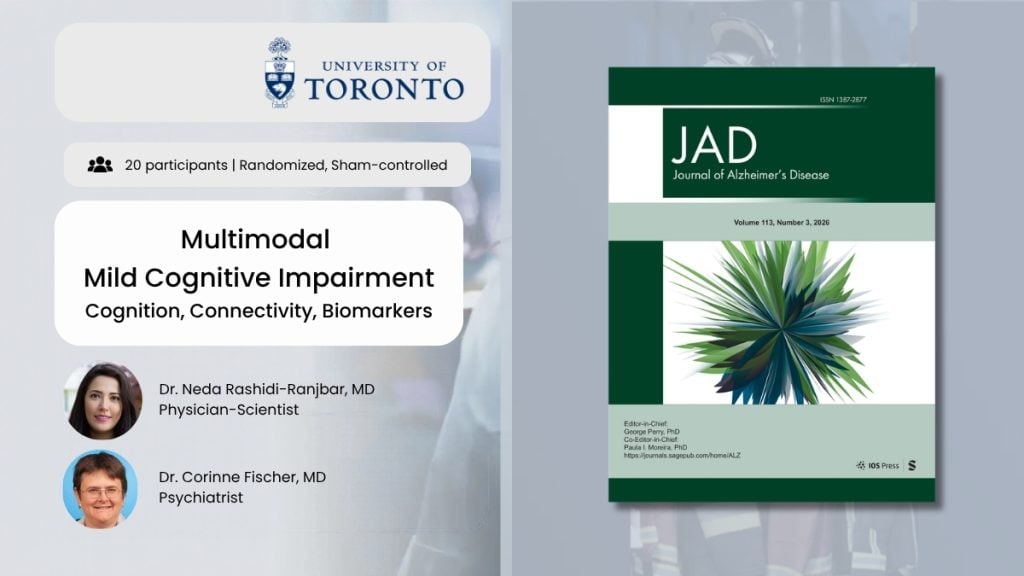
A multimodal clinical investigation involving 20 adults with mild cognitive impairment (MCI) examined the effects of intranasal-transcranial PBM on cognitive and physiological measures. Researchers investigated cognitive performance, brain connectivity and mitochondrial function.


 Completed
A 2026 randomized, double-blind, sham-controlled study published in the Journal of Neurotrauma followed 26 NCAA Division I football players over a 16-week season. The trial examined itPBM with advanced Diffusion Tensor Imaging (DTI) measures of brain microstructure during repeated head-impact exposure.


 Completed
A Baycrest neuroimaging study involving 45 healthy adults examined brain responses during intranasal photobiomodulation. Measurable fMRI responses were observed in the thalamus and other brain regions under the study conditions. These responses were not seen in the previous transcranial-only study.


 Completed
A neuroimaging study compared transcranial and intranasal photobiomodulation responses in 45 healthy adults aged 20–32, examining differences in brain activity measured by fMRI - conducted with Vielight technology.

 Completed
A neuroimaging study examined cerebellar activity and network connectivity in 30 individuals with traumatic brain injury before and after intranasal-transcranial PBM.


 Completed
In a randomized, double-blind problem-solving study 56 healthy adults over the prefrontal cortex scored higher than placebo on a word-based problem-solving test and on the Stroop attention test, conducted by Spain’s University of Deusto with the Vielight Neuro.


 Completed
A clinical trial cognitive performance in 44 participants with a history of repetitive head acceleration events following an 8–10 week intranasal-transcranial photobiomodulation protocol.
 Completed
A study with the Vielight Neuro Gamma examined brain activity and functional connectivity in 20 healthy adults following photobiomodulation, including changes in alpha- and gamma-band network measures.

 Completed
A randomized pilot trial at the University of California San Francisco's Radiology department examined cognitive, behavioral, and brain imaging outcomes in 8 participants with dementia following 12 weeks of home intranasal-transcranial photobiomodulation.


 Completed
A clinical study with the Vielight Neuro Gamma examined motor, balance, cognitive, and mobility outcomes in 12 participants with idiopathic Parkinson’s disease following 12 weeks of photobiomodulation and continued home use.

 Completed
This is the world's biggest peer-reviewed published PBM clinical trial. A 294-person randomized controlled trial tested whether intranasal-thymus PBM shortened symptom recovery time in adults with COVID-19.

 Completed
Reaction time, grip strength, dexterity and balance were measured before and after eight weeks of at-home intranasal-transcranial PBM (itPBM) in 43 adults with a history of repeated head impacts.
 Completed
A multimodal clinical investigation examined a multicomponent program involving adults with mild cognitive impairment (MCI) and early-stage dementia. The study incorporated lifestyle modifications and several interventions, including intranasal-transcranial PBM.

 Completed
A case series examined intranasal-transcranial photobiomodulation on cognitive and behavioral outcomes in five patients with mild to moderately severe dementia, conducted with Harvard Medical School and Boston University School of Medicine.


 Completed
A retrospective study investigating intranasal-transcranial PBM (itPBM) examined behavioral, attention, sleep, and caregiver-reported measures in 21 children aged 5–15 during a six-month photobiomodulation research protocol involving 10 Hz and 40 Hz settings.

 Completed
Vielight Vagus observational study with data based on microstates. Attention and visual-network patterns were studied for changes using clinical-grade ERP software.
 Completed
Laboratory research examined cellular responses to photobiomodulation (PBM) using 810 nm light pulsed at 10 Hz. Responses varied across cell types and experimental conditions, with changes in measures such as cell viability and proliferation observed in some models.

 Completed
A University of Sydney study examined fMRI responses in 24 healthy young adults following a single session of itPBM, both at rest and during a finger-tapping task.

 Completed
A laboratory study examined structural changes in tubulin following photobiomodulation, including changes in α-helix and β-sheet content relevant to microtubule research.


 Completed
A four-person case series examined cognitive, behavioral, and brain imaging outcomes in former football players with traumatic encephalopathy syndrome following six weeks of transcranial photobiomodulation.
 Completed
A study with the Vielight Neuro Gamma examined verbal and visual divergent creative thinking outcomes in 58 healthy participants following intranasal-transcranial photobiomodulation of the brain’s Default Mode Network.


 Completed
A laboratory study examined the effects of photobiomodulation on tubulin polymerization, microtubules, and related cellular processes under different experimental conditions.

 Completed
A case study with the Vielight Neuro Gamma and Neuro Alpha examined brain imaging, cognitive, and symptom-related outcomes in a 23-year-old hockey player with concussion-related symptoms following eight weeks of photobiomodulation.
 Completed
A sham-controlled study examined cognitive and health outcomes in 48 veterans with Gulf War illness following 15 transcranial and intranasal photobiomodulation sessions using multiple LED devices, including Vielight 633 nm and 810 nm intranasal applicators.
 Completed
A study with the Vielight Neuro Gamma examined brain activity and functional connectivity in 20 healthy adults following photobiomodulation, including changes in alpha- and gamma-band network measures.
 Completed
This study looks at how tetracyclines, like demeclocycline and doxycycline, work as antibiotics and are activated by light. Adding potassium iodide (KI) boosted their ability to kill bacteria, including E. coli and MRSA, even without oxygen. KI helped tetracyclines work better, especially in a mouse wound model, preventing bacterial regrowth.

 Completed
A preclinical study using ex vivo and in vivo models examined bacterial levels following a exposure to antimicrobial blue light with Vielight technology in models of Pseudomonas aeruginosa keratitis.
 Completed
This study investigates the effectiveness of antimicrobial blue light (aBL) for treating Candida albicans infections in vitro and in a mouse burn model. The results show that C. albicans is 42 times more susceptible to aBL than human cells, with no significant development of resistance after repeated exposures. A single exposure of aBL reduced fungal burden in infected mouse burns by 1.75-log10. These findings suggest that aBL could be a promising treatment for C. albicans infections.
 In progress
Published in The Lancet’s eClinicalMedicine: A gold-standard, randomized, double-blind, sham-controlled trial (n=43) evaluating the efficacy of the Vielight Neuro RX Gamma for Long COVID cognitive dysfunction.


 In progress
This study investigates transcranial photobiomodulation for cognition in veterans with mild to moderate traumatic brain injury. Participants receive at-home treatments over two 5-week periods. Using a randomized, sham-controlled design, the study evaluates changes in brain function, connectivity, and structure via neuropsychological tests and MRI scans, aiming to assess cognitive improvements.
 In progress
This study explored the effects of transcranial photobiomodulation on brain oscillations in 25 healthy volunteers. Participants received four types of stimulation. Results showed significant changes in brainwave frequencies (theta, alpha, beta, gamma) after active stimulations, with the effects varying based on stimulation type and location. The intranasal LED stimulation notably increased beta and gamma waves.
 In progress
This study tests photobiomodulation therapy for Parkinson's using two light devices: Vielight Neuro Gamma (home use) and Irradia Mid-Laser 2.5 (clinic-based). Participants in Brisbane, Sydney, and Adelaide will receive escalating treatments over 12 weeks. Brisbane participants will be randomized to either device, Sydney participants will use the Irradia device, and Adelaide participants will use both devices.


 In progress
This study aims to evaluate the safety, tolerability, and effects of photobiomodulation on cognitive function, behavioral symptoms, and biomarkers in patients with mild-to-moderate Alzheimer's disease. Participants will use the Vielight Neuro Gamma for 20 minutes daily over 16 weeks. Biomarkers of inflammation, neurodegeneration, and neurotrophic factors will be measured.
 In progress
This study investigates the use of the Vielight Neuro RX Gamma in moderate to severe Alzheimer's Disease. The study will enroll 228 patients across 12 sites in Canada and the U.S., with follow-up assessments at 12 and 24 weeks. Participants will use the device for 20 minutes daily, 6 days a week, over two 12-week treatment phases.
 In progress
This pilot study examines the effects of near-infrared stimulation on cognition and mood in older adults without dementia. The study randomizes 135 participants into treatment groups and evaluate brain imaging and cognitive measures before and after 12 weeks of transcranial and intranasal near-infrared stimulation, with both lab and home-based treatments.

 Completed
A clinical trial investigating intranasal-transcranial PBM examined cognitive outcomes in 39 women with cancer-related cognitive impairment following a 10-week, 40 Hz photobiomodulation protocol.


 Completed
A clinical trial examined cognitive performance and self-reported measures of mood, pain, post-traumatic stress symptoms, and social reintegration in 16 male firefighters following an eight-week intranasal-transcranial photobiomodulation protocol.

 Completed
This study examines the potential of transcranial photobiomodulation as a treatment for Traumatic Brain Injury (TBI). Photobiomodulation targets TBI’s key issues such as axonal damage, mitochondrial dysfunction, oxidative stress, and neuroinflammation. The review suggests photobiomodulation could be a promising therapy, with clinical studies supporting its effectiveness, though outcomes vary based on factors like light wavelength, dose, and frequency.
 Completed
This review study examines Alzheimer's Disease pathophysiology with EEG-guided PBM, focusing on genetic factors, mitochondrial dysfunction, and protein accumulation.
 Recruiting
Do you live with epilepsy? You may be eligible to take part in PBMRise, a research study with the Vielight Neuro and an Oura Ring, exploring whether photobiomodulation (PBM) may support brain health, stress resilience, and quality of life: Study sites: Cincinnati, OH | Houston, TX | Miami, FL | Warren, OH What participation involves: · Using the Vielight Neuro Pro 2 · Wearing the Õura ring day and night to track sleep, heart rate, temperature, and activity · Metabolic testing (blood, hair, and urine) to measure changes at a cellular level · EEG brain-wave assessments
 Recruiting
Vielight is now enrolling healthy adults in Toronto for an EEG study characterizing brain responses to photobiomodulation at variable stimulation frequencies 💡 Write to: [email protected] Participants wear an EEG cap alongside a Vielight Neuro Pro2 (810 nm) while brain activity is recorded during rest and a simple listening task. Participation involves a minimum of 3 visits, each up to 3 hours, at our Toronto HQ on Jarvis Street. Compensation is $100 per visit. Email us: [email protected]
 Recruiting
Toronto bipolar depression clinical study seeks adults with bipolar disorder to take part in a 6-week, non-drug research trial using a wearable near-infrared light (photobiomodulation) device, the Vielight Neuro RX Gamma. Participants attend in-clinic sessions 5 days/week and may receive either the active device or an inactive (sham) device. To check eligibility, contact [email protected]

 Recruiting
This study the effectiveness and safety of light therapy device targeted at the brain using a wearable device, the Vielight RX Gamma as a treatment for bipolar depression. Up to forty patients with bipolar disorder will be enrolled into the study and will either receive active treatment with the Vielight RX Gamma or sham (inactive device). To check eligibility, contact [email protected]

 Recruiting
Toronto MCI clinical study seeks adults based in Toronto, aged 50+ and noticing memory changes (no diagnosis) to try a 12-week, non-drug photobiomodulation (near-infrared light) helmet. To check eligibility, contact 416-360-4000 ext. 47838 or [email protected]


 In progress
This study tests near-infrared light therapy in 168 adults aged 65–89 at risk for Alzheimer's. Participants with cognitive complaints and a family history of Alzheimer's will be randomly assigned to active or sham groups. Over 12 weeks, the effects on memory, executive function, ATP levels, and brain connectivity will be assessed, along with exploring factors like genetics and brain imaging in response to treatment.


Our neurotech keeps making headlines, backed by over a decade of media coverage and clinical research.

Vielight’s evidence base is primarily independently driven. By integrating advanced neuroimaging with neuropsychological testing, our trials measure direct physiological mechanisms rather than self-reported impressions—backed by robust cohorts averaging 40 participants to ensure statistical and clinical relevance.
Studies are designed and executed by researchers at premier academic and medical institutions, with findings published in indexed, peer-reviewed journals.
A peer-reviewed study is one where independent scientists evaluate the research before it gets published, acting as a quality filter to ensure the methodology and conclusions are sound. A randomized controlled trial (RCT) randomly assigns participants to either a treatment or a placebo group, which eliminates bias and allows researchers to isolate the actual effect of the intervention.
Studies that lack these standards (such as uncontrolled case reports or manufacturer-funded trials without independent oversight) carry significantly less scientific weight.
Vielight technology has been used in studies conducted at 20+ leading institutions, including the University of Toronto, Unity Health Toronto, University of Utah, and Baycrest Health Sciences, spanning 800+ participants across all published research.
These are independent academic and clinical research centers. Vielight provides the technology, but the research design and findings are driven by the institutions themselves.
Yes, you can. When we are actively recruiting participants for a clinical trial, we publish the details on our Clinical trial recruitment page.
Please note that applying does not guarantee participation — all candidates go through a selection process based on the study’s eligibility criteria.
If you’re planning a clinical trial or research study and would like to use Vielight technology, you can submit your proposal on our Research with us page.